
 Most organizations believe survey fatigue is caused by sending too many surveys. In reality, fatigue comes from something deeper: the emotional and cognitive effort required to respond, combined with the belief that nothing will change anyway.
Traditional surveys ask people to pause, reflect, interpret how they feel, convert that feeling into a number, and hope that number is understood correctly. This process requires effort — not just time, but emotional energy.
Over time, people learn that their effort rarely leads to visible action. Leaders receive too few responses to act confidently, hesitate, and then do nothing. From the outside, it looks like indifference. From the inside, it feels like paralysis.
This creates a quiet but powerful loop. Surveys feel draining. Response rates drop. Leaders lack sufficient data. Action stalls. Trust erodes. The next survey receives even fewer responses.
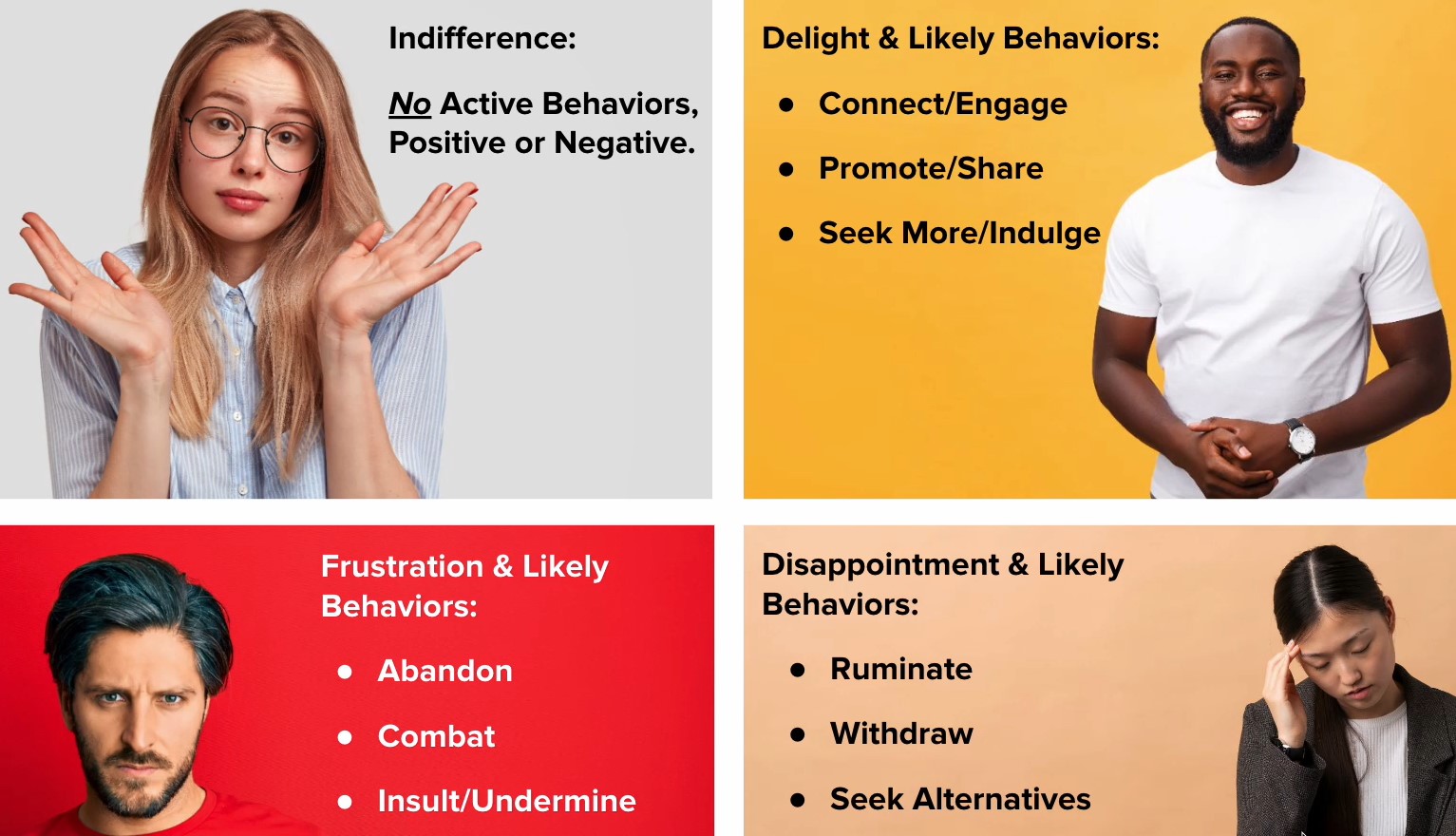
As participation declines, another distortion emerges. The people who still respond are usually those at the extremes — very upset or very delighted. Everyone else disappears.
This leaves leaders with a skewed picture of reality. Decisions are made based on the loudest voices, while the majority remains invisible. This Invisible Majority is not disengaged by default. They are simply tired of translating their experience into a format that doesn’t reflect how they actually feel.
This is where emotion-based measurement fundamentally shifts participation.
Morphii removes the need to translate emotion into logic. People do not have to decide whether they are a “3” or a “4.” They simply indicate the emotion they feel and how intense it is. This lowers the emotional cost of responding and makes participation feel safer and easier.
Because RavenCSI integrates Morphii directly into its platform, this emotional data becomes immediately usable. Participation rises not because people are incentivized, but because the experience of giving feedback feels natural rather than draining.
As response rates rise, the Invisible Majority returns. Leaders regain visibility into the middle of the bell curve — those who are mildly frustrated, quietly disengaged, uncertain, or cautiously satisfied.
This visibility restores leaders’ ability to act responsibly. With sufficient data and emotional clarity, action no longer feels risky. It feels appropriate.
Survey fatigue is not a motivation problem. It is a design problem. When feedback respects how humans actually experience the world — emotionally and continuously — people respond, and leaders can finally move forward with confidence.
